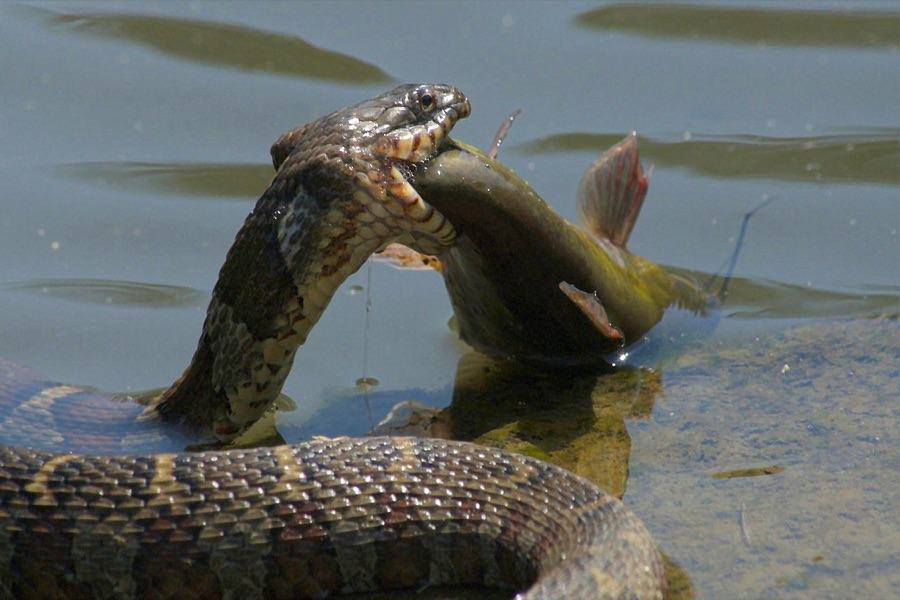
Seeing fish roll onto their sides, swim in tight circles, or rest listlessly on the bottom or surface edge is a high-priority warning sign in any pond or tank. While operators often worry first about a pathogen or swim bladder infection, sudden loss of equilibrium across multiple fish is frequently triggered by acute environmental stress or toxic water conditions.
What Could Be Causing This?
Several distinct problems can cause farmed fish to lose their upright posture in a pond or recirculating tank:
- Severe hypoxia (low dissolved oxygen): When dissolved oxygen drops below species tolerance, fish first gasp at the surface and eventually lose muscle control, rolling sideways before sinking or floating passively. See our guide on what causes low dissolved oxygen in fish ponds for oxygen depletion patterns.
- Ammonia or nitrite toxicity: Elevated un-ionized ammonia damages gill tissue and disrupts central nervous system function, causing erratic darting followed by sideways listing. High nitrite interferes with blood oxygen transport, producing weakness and loss of balance even when aerators are running.
- Sudden temperature or pH shock: Rapid water exchange, cold rain runoff, or stocking fish without proper thermal acclimation can stun fish, causing them to lie on their sides at the pond bottom or tank floor.
- Gas bubble trauma (supersaturation): Leaky pump suction lines drawing air under pressure, or intense afternoon algal photosynthesis, can supersaturate water with dissolved gases. Microbubbles form in the bloodstream, fins, or eyes, throwing off buoyancy.
- Swim bladder or systemic infections: If only a few individual fish swim sideways over several days while water parameters remain stable, internal inflammation, bacterial infection, or parasitic involvement affecting the swim bladder or brain may be present.
What Should You Check First?
Before moving fish or adding any treatment to the water, work through this immediate field checklist:
- Count how many fish are affected and when it started: Did dozens of fish begin listing sideways all at once (especially near dawn or right after a water change), or have single fish appeared sporadically over a week?
- Measure dissolved oxygen and water temperature on-site: Take readings at the pond surface and near the bottom, or at the tank outlet. Compare temperature against yesterday's log.
- Test total ammonia nitrogen (TAN), nitrite, and pH: High pH combined with elevated ammonia sharply increases the toxic un-ionized fraction.
- Inspect fish externally (without rough handling): Look for frayed or pale/brown gills, protruding eyes, gas bubbles in the fin rays, bloated abdomens, or skin lesions.
- Check water inflows and pump suction plumbing: In tank systems, verify that no air is being sucked into the intake side of centrifugal pumps and that incoming makeup water is dechlorinated and temperature-matched.
How to Tell the Possible Causes Apart
Separating an environmental emergency from a localized health problem depends on timing and distribution:
- Widespread, sudden onset across sizes: Points strongly toward dissolved oxygen depletion, chemical contamination, pH/temperature shock, or pump-induced gas supersaturation. If fish are also crowding inlets, review why fish gasp at the water surface.
- Gradual onset in a few individuals with normal water tests: Suggests an internal swim bladder disorder, nutritional deficiency, or infectious agent that requires laboratory examination.
- Occurs immediately after heavy feeding or handling: Often linked to acute handling stress, post-feeding oxygen demand, or swim bladder compression from rapid netting.
What to Do Next
If dissolved oxygen is low or fish are concentrated near inlets, turn on backup aeration immediately and pause all feeding—digestion consumes substantial oxygen and releases additional ammonia. If ammonia or nitrite is elevated, stop feeding and increase clean, temperature-matched water exchange where safe to do so.
If water quality tests are completely normal and only isolated fish are affected, gently isolate moribund individuals in a separate observation tank with strong aeration so they are not injured by tankmates or drawn against drain screens.
When to Get Professional Help
Sideways swimming is a symptom, not a standalone diagnosis. Never apply antibiotics, antiparasitic chemicals, or salt baths based solely on abnormal swimming posture—inappropriate treatments can strip biofilters, deplete oxygen further, and kill weakened fish.
Contact an aquatic animal veterinarian or university/government aquaculture extension specialist immediately if sideways swimming is accompanied by ongoing daily mortality, swollen bellies, hemorrhaging, or exophthalmia (pop-eye), so fresh specimens and water samples can be evaluated in a diagnostic laboratory.