Fish Health & Behavior
Practical troubleshooting guides to help fish farmers understand abnormal swimming behavior, appetite shifts, stress indicators, and sudden fish mortality in ponds and tanks—along with what to record and when to seek veterinary or diagnostic support.
SYMPTOM TRIAGE // FISH HEALTH
Find the Problem: Common Fish Health Issues
Fish Health & Behavior Guides (5)
Sorted by publication date (newest first)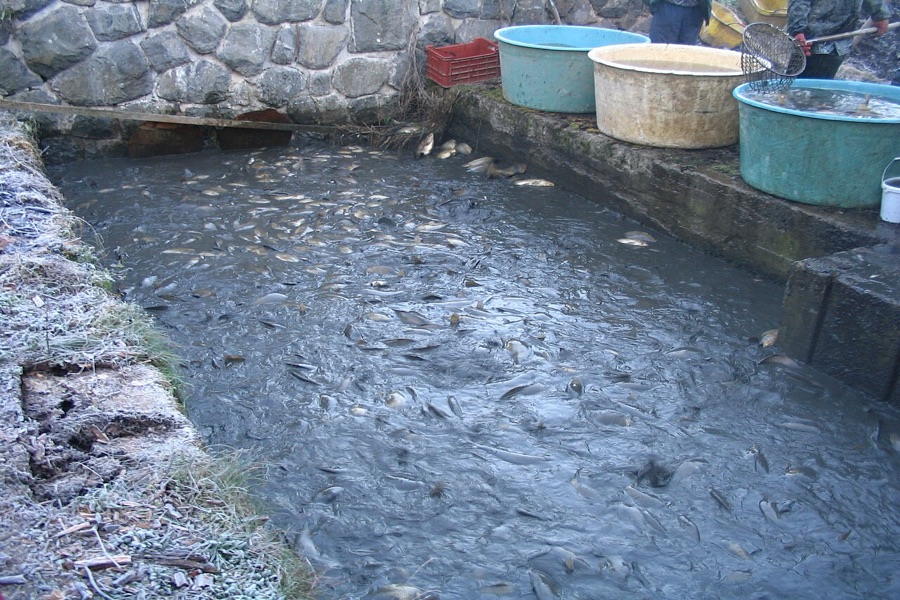
How to Recognize Stress in Farmed Fish
Early stress shows up in swimming posture, gill beat rate, skin color, and feeding eagerness days before fish develop visible lesions or die.
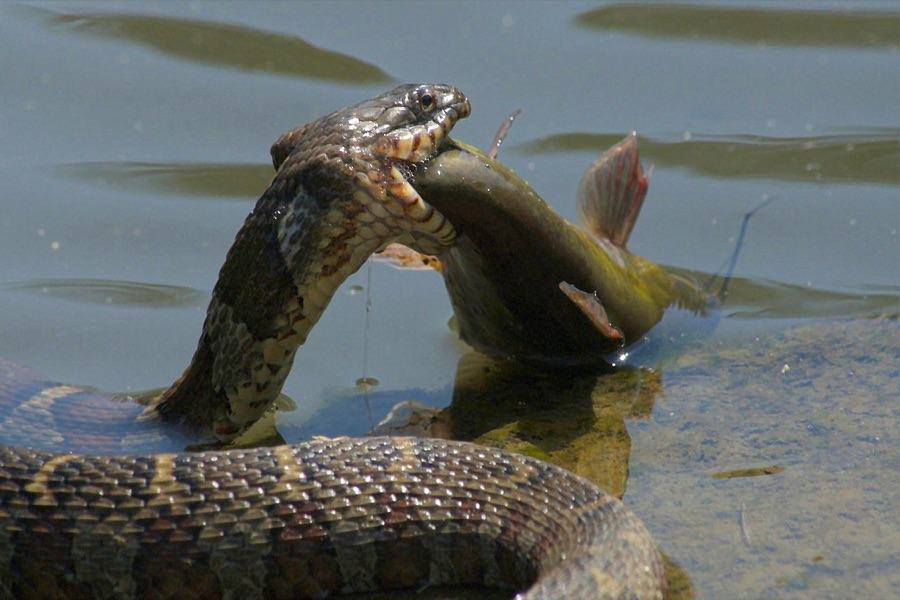
Why Are Fish Swimming Sideways in a Pond or Tank?
Loss of equilibrium in farmed fish can stem from acute water quality shocks, gas supersaturation, swim bladder disruption, or neurological stress. Check water parameters before assuming disease.
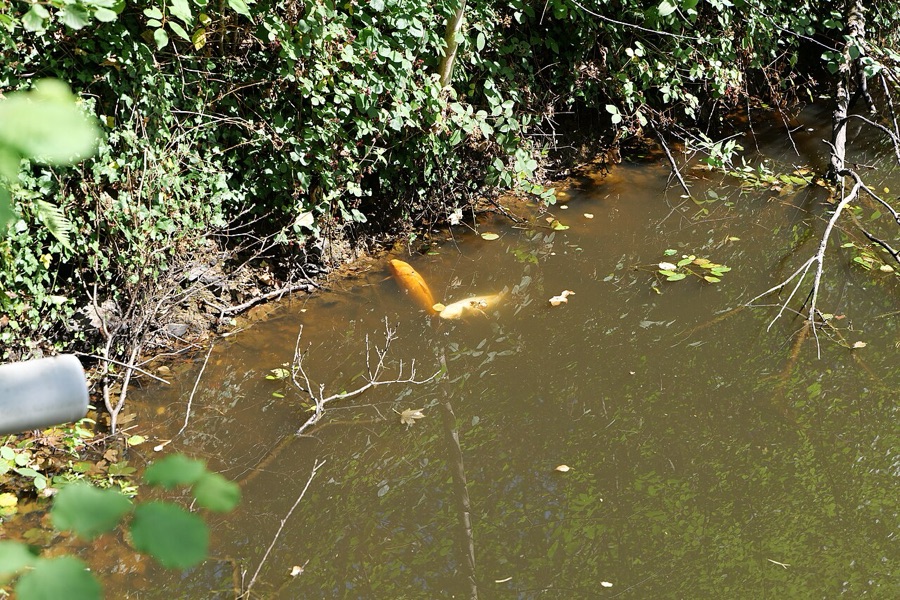
Why Are Fish Gasping at the Water Surface?
Surface piping usually signals low dissolved oxygen, but nitrite poisoning, high ammonia, or gill damage can cause the exact same behavior even when aerators are running.
Why Are Fish Not Eating in Aquaculture Systems?
A sudden drop in feeding response is often the earliest warning of low dissolved oxygen, temperature shifts, ammonia buildup, spoiled feed, or early stress.
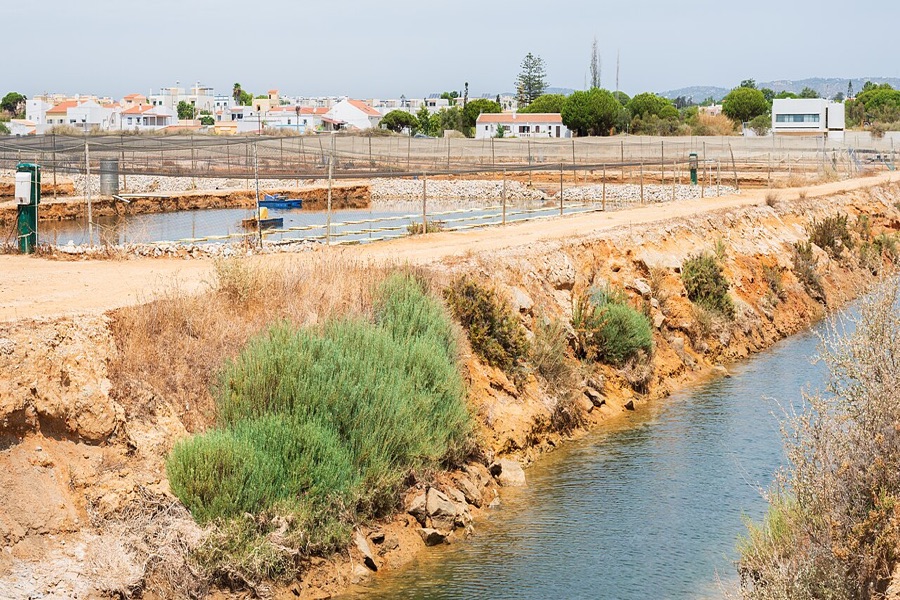
Why Are Fish Suddenly Dying in a Pond?
Mass overnight mortality almost always points to dissolved oxygen depletion, pond turnover, or chemical runoff, whereas escalating day-by-day losses suggest water toxicity or disease.
Related Troubleshooting Topics
Water Quality Problems
Check dissolved oxygen, ammonia, nitrite, pH swings, turbidity, and water temperature changes.
Feeding & Growth Issues
Investigate slow growth, uneaten pellets, size variation, feed conversion ratio, and feeding schedules.
Equipment & Systems
Check pond aerators, water pumps, tank circulation, flow rates, and RAS filtration performance.