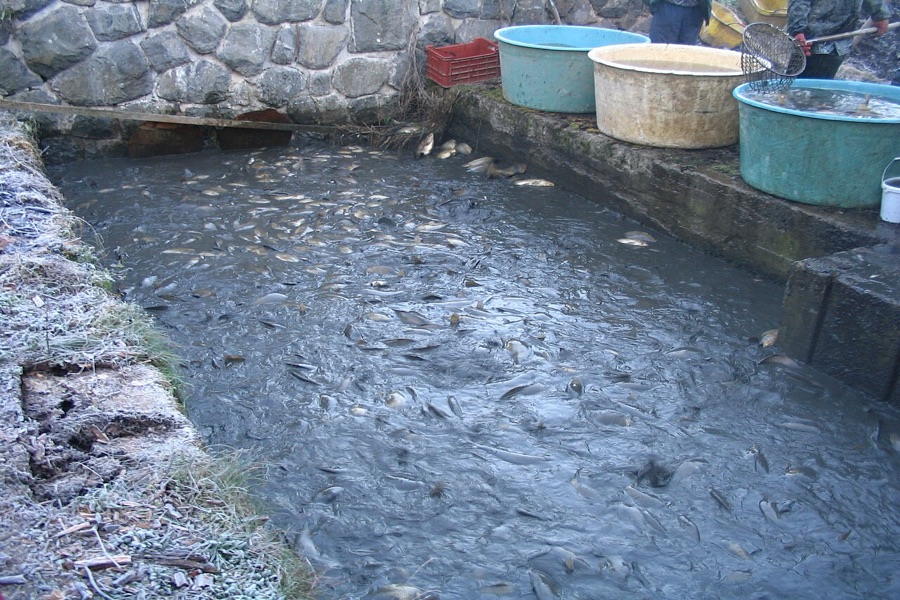
In aquaculture ponds and tanks, chronic stress elevates cortisol levels in fish, suppresses their immune defenses, and slows growth. Because most opportunistic bacterial and parasitic outbreaks occur only after fish have been stressed by water quality or handling, daily behavioral observation is one of the most cost-effective habits on a farm.
What Could Be Causing This?
Farmed fish experience stress from four primary operational categories:
- Chemical and water quality stressors: Low dissolved oxygen, chronic unionized ammonia, elevated nitrite, wide daily pH swings, or high carbon dioxide in intensive tanks.
- Physical and environmental stressors: Sudden temperature drops or heatwaves, excessive water velocity or dead zones (see what causes poor water circulation in fish farming tanks), high suspended solids, or loud mechanical vibration.
- Management and handling stressors: Overcrowding, netting, grading, transport, or abrupt changes in feeding schedule.
- Biological stressors: Early gill or skin irritation from external parasites, aggressive social dominance (especially in unevenly sized cohorts), or predator harassment around open ponds.
What Should You Check First?
Spend five quiet minutes observing the pond or tank before throwing feed—fish behave differently once feeding commotion starts:
- Watch swimming distribution: Are fish schooling calmly in the water column, or are they crowding water inlets, hugging the tank walls, or isolating themselves in corners?
- Check gill opercular beat rate: Rapid, flared, or labored gill movement at rest indicates respiratory stress from low oxygen, high ammonia/nitrite, or gill irritation.
- Look for "flashing" and rubbing: Fish turning sideways to scrape their flanks or gill covers against the tank floor, standpipes, or pond liner are responding to skin/gill irritation (either chemical pH/ammonia spikes or external parasites).
- Check fin posture and skin color: Clamped dorsal and pectoral fins held tight against the body, darkened skin pigmentation, or excess cloudy mucus on the body surface are classic indicators of chronic stress.
- Evaluate the feeding strike: Compare how fast the cohort consumes its ration today versus normal days. If appetite has slowed, review why fish stop eating in aquaculture systems.
How to Tell the Possible Causes Apart
- Rapid gill beats + crowding inlets + worse in early morning: Respiratory stress driven by low dissolved oxygen or poor water exchange.
- Flashing/scraping + sudden afternoon onset in green ponds: Often linked to wide afternoon pH swings or ammonia irritation (see what causes sudden pH changes in fish ponds), though external parasites can also cause flashing.
- Darkened, frayed-fin smaller fish hiding near the surface corners: Frequently caused by social aggression and size variation in overcrowded tanks.
What to Do Next
Run a complete water quality test panel (DO, temperature, pH, ammonia, nitrite, and alkalinity) and postpone any non-essential handling, grading, or pond transfers until the fish return to normal behavior. Reduce feeding rations slightly to lower metabolic oxygen demand and waste production while you stabilize the environment.
When to Get Professional Help
Never assume that flashing or clamped fins automatically require a chemical parasite bath—treating fish that are actually suffering from ammonia or pH stress can be fatal. If water quality parameters are verified within safe ranges for your species and stress signs persist or progress to frayed gills, ulcers, or daily mortality, contact an aquaculture extension specialist or aquatic veterinarian for microscopic gill and skin examination.