Water Quality Problems
Step-by-step water quality troubleshooting covering dissolved oxygen depletion, ammonia and nitrite buildup, sudden pond turbidity, pH fluctuations, and temperature shifts. Learn which water parameters to test first and why visual appearance alone cannot confirm a water quality issue.
SYMPTOM TRIAGE // WATER QUALITY
Find the Problem: Common Water Quality Issues
Water Quality Problems Guides (5)
Sorted by publication date (newest first)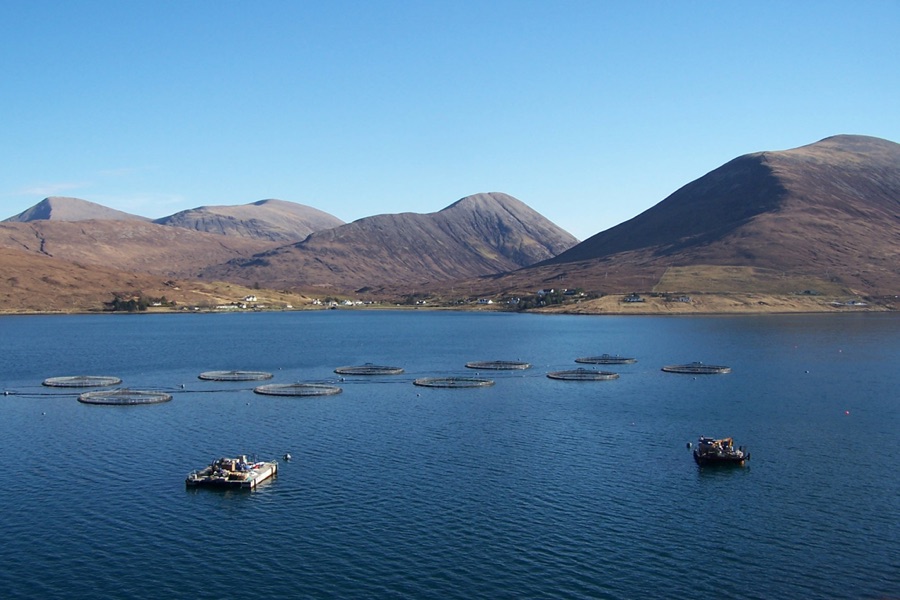
How to Recognize Ammonia Problems in Fish Farming
Ammonia is invisible and odorless at fish-toxic levels. Learn how total ammonia nitrogen interacts with pH and temperature, and how to confirm ammonia stress with testing.
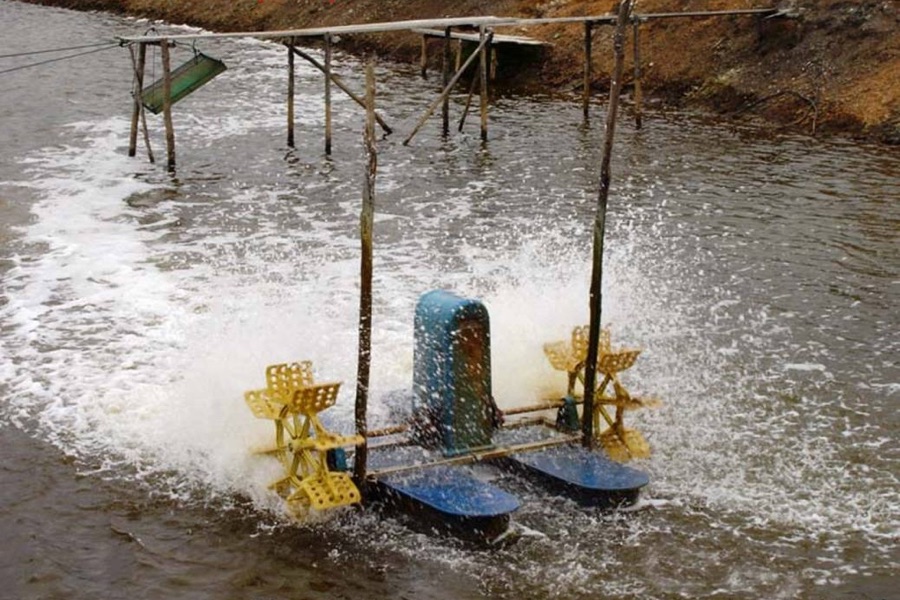
What Causes Low Dissolved Oxygen in Fish Ponds?
Dissolved oxygen crashes are the leading cause of sudden fish losses in ponds. Learn how plankton respiration, weather shifts, warm water, and feeding loads drive oxygen down.
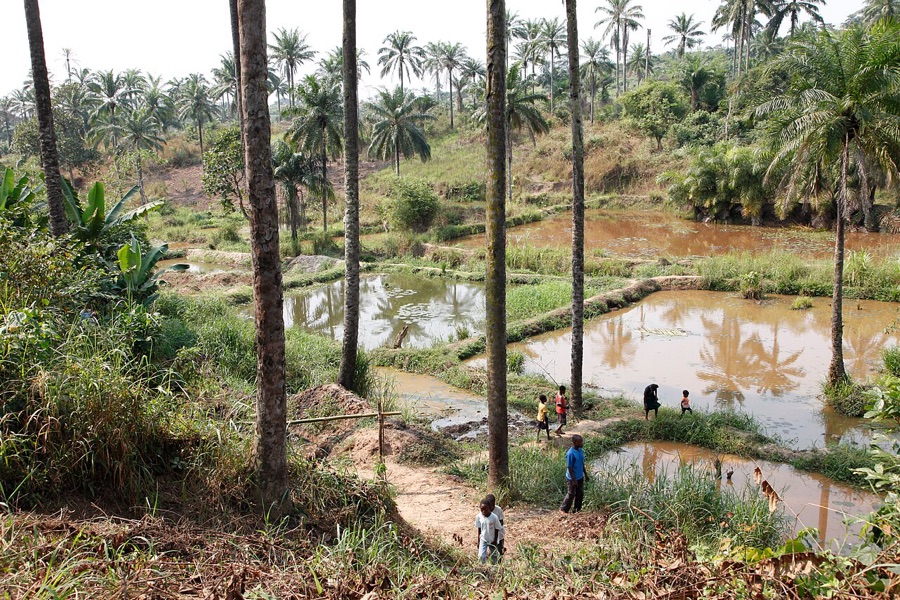
Why Is Pond Water Suddenly Cloudy?
Cloudy pond water is not a single condition: muddy clay runoff, milky bacterial blooms, and brown phytoplankton crashes have completely different impacts on dissolved oxygen.
What Causes Sudden pH Changes in Fish Ponds?
Pond pH is not static: photosynthesis pulls carbon dioxide out of the water by afternoon and respiration adds it back overnight, causing wide swings when alkalinity is low.

How Does Water Temperature Affect Farmed Fish?
Because fish are cold-blooded, water temperature directly controls their digestion speed, oxygen demand, and immune response—while simultaneously changing how much oxygen water can hold.
Related Troubleshooting Topics
Fish Health & Behavior
Identify abnormal fish behavior, appetite drops, stress signs, and sudden pond mortality clues.
Equipment & Systems
Check pond aerators, water pumps, tank circulation, flow rates, and RAS filtration performance.
Feeding & Growth Issues
Investigate slow growth, uneaten pellets, size variation, feed conversion ratio, and feeding schedules.