Fish Species & Farming
Foundational aquaculture references covering tilapia and catfish farming requirements, pond preparation workflows, and pre-stocking checklists. Understand how water conditions, system types, and daily routines differ by species and local environment.
SYMPTOM TRIAGE // FISH FARMING
Find the Problem: Common Fish Farming Issues
Fish Species & Farming Guides (5)
Sorted by publication date (newest first)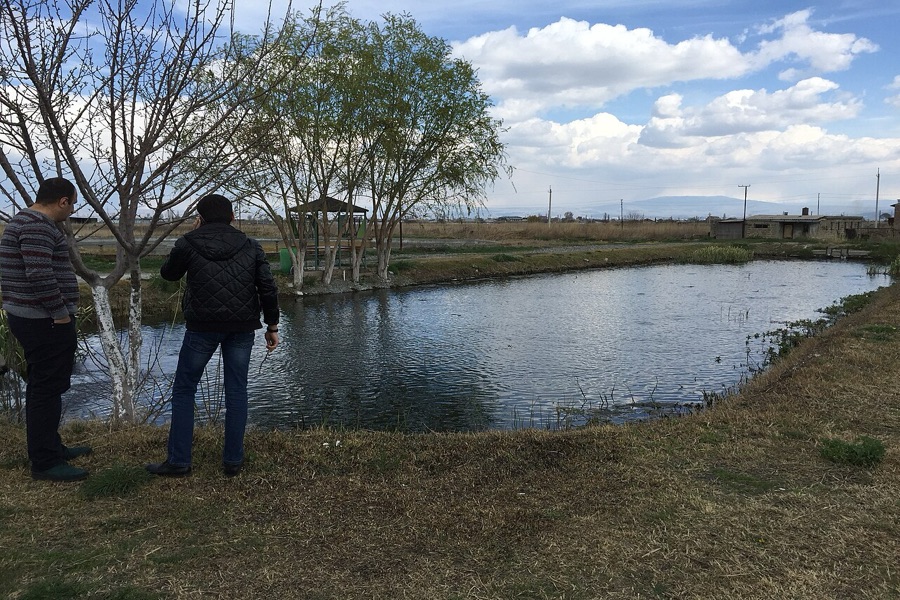
Tilapia Farming Basics: Water, Feeding, and Daily Care
Tilapia are hardy warmwater grazers, but successful production depends on preventing cold stress, controlling unwanted pond reproduction, and maintaining dissolved oxygen.
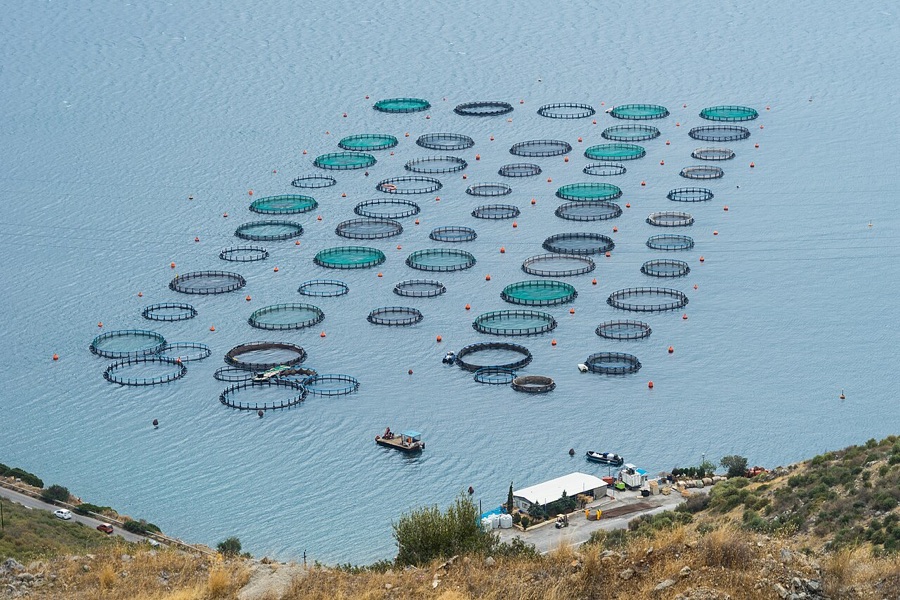
How to Prepare a Fish Pond Before Stocking
Proper pond preparation between crops—draining, oxidizing bottom sludge, repairing dikes and screens, and buffering alkalinity—prevents oxygen crashes and predator losses later.
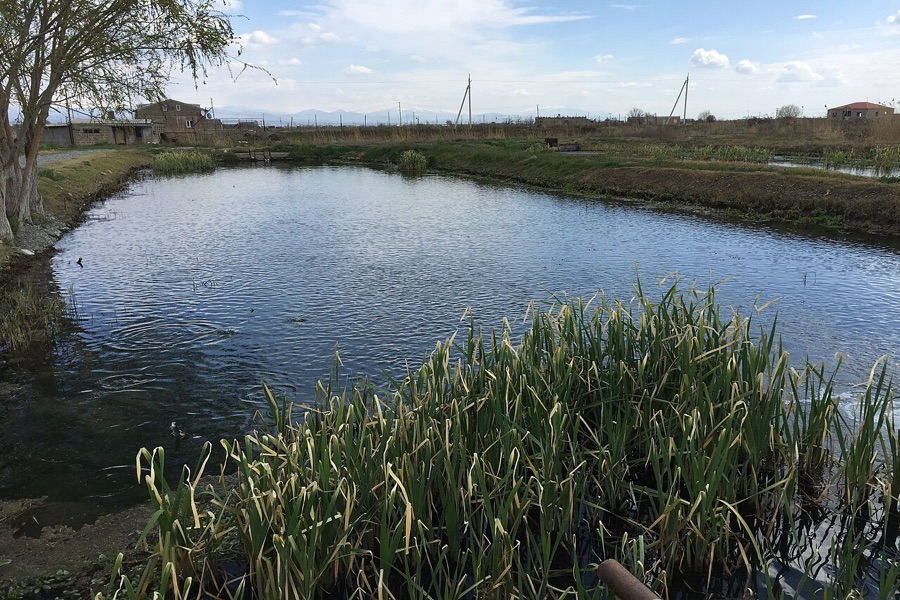
Catfish Farming Basics: What Beginners Should Know
Catfish farming requires careful attention to species traits, size grading in juvenile stages, morning dissolved oxygen, and nitrite protection in high-density systems.
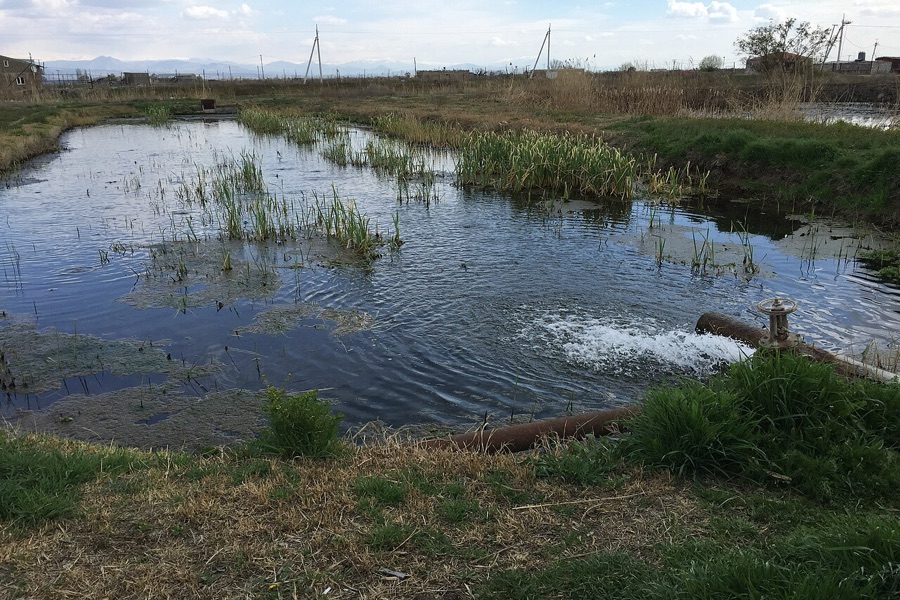
Tilapia vs. Catfish Farming: Key Differences
Tilapia and catfish are the two pillars of warmwater pond aquaculture, yet they differ sharply in cold tolerance, feeding anatomy, reproduction behavior, and handling sensitivity.
What to Check Before Stocking Fish in a New Pond
Most post-stocking fingerling losses happen in the first 48 hours due to unverified water chemistry, thermal or pH shock during transfer, or stressed transport stock.
Related Troubleshooting Topics
Water Quality Problems
Check dissolved oxygen, ammonia, nitrite, pH swings, turbidity, and water temperature changes.
Feeding & Growth Issues
Investigate slow growth, uneaten pellets, size variation, feed conversion ratio, and feeding schedules.
Equipment & Systems
Check pond aerators, water pumps, tank circulation, flow rates, and RAS filtration performance.