Feeding & Growth Issues
Practical guidance for investigating slow fish growth, uneaten feed, uneven size distribution, and shifts in feed conversion ratio (FCR). Evaluate feeding performance across species, growth stages, water temperature, feed storage conditions, and stocking density.
SYMPTOM TRIAGE // FEEDING & GROWTH
Find the Problem: Common Feeding & Growth Issues
Feeding & Growth Issues Guides (5)
Sorted by publication date (newest first)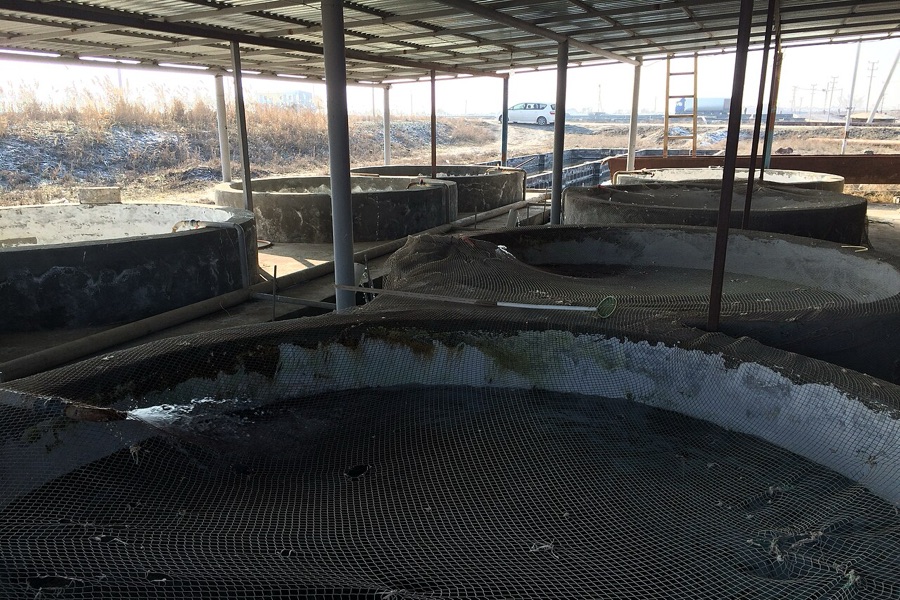
How to Check Feed Conversion Ratio in Fish Farming
Feed Conversion Ratio (FCR) measures how many kilograms of dry feed are required to produce one kilogram of live fish weight gain. Tracking it catches waste and mortality early.
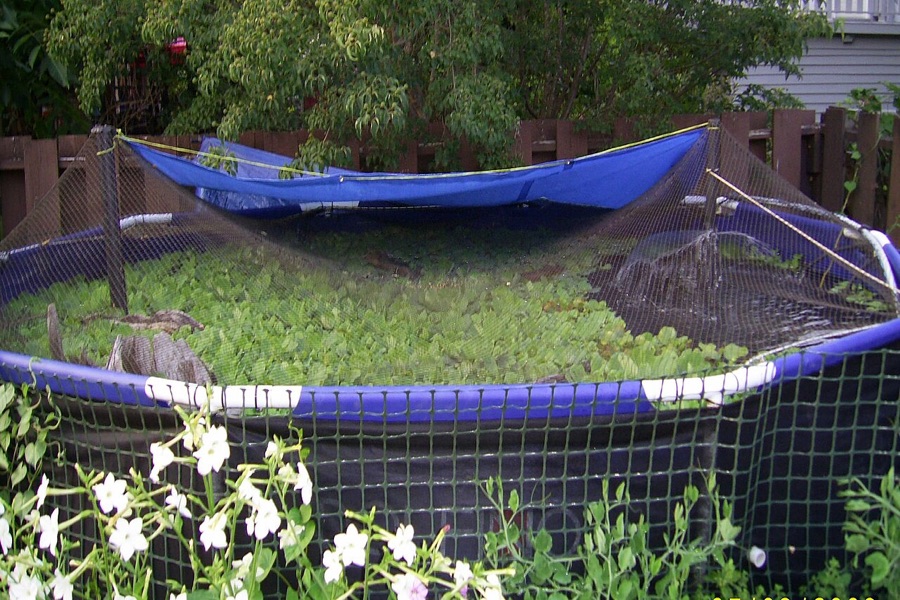
Why Are Farmed Fish Growing Slowly?
When farmed fish fall behind expected growth targets, the culprit is rarely just feed volume—chronic low oxygen, cool temperatures, overcrowding, or poor pellet quality often block weight gain.
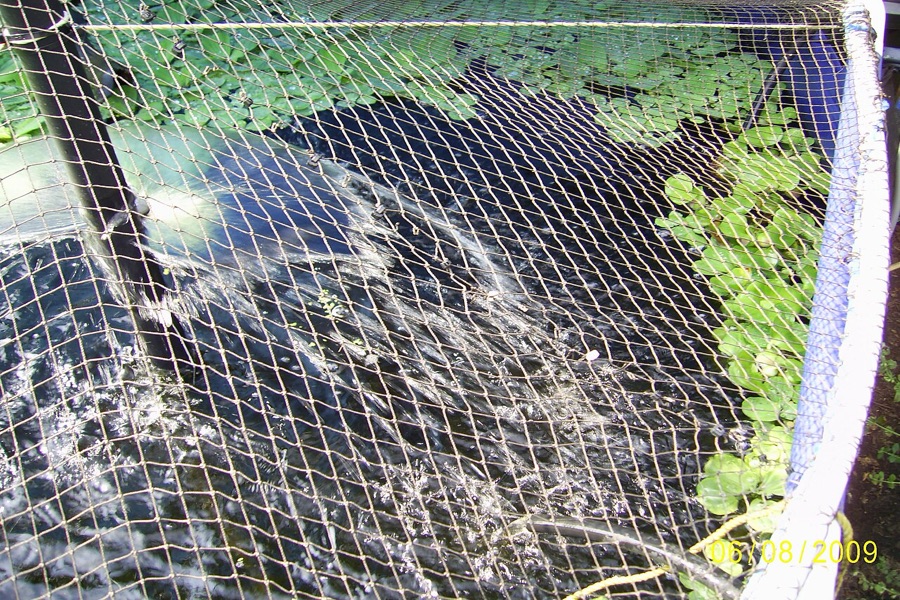
Why Are Fish Leaving Feed Uneaten?
Uneaten floating pellets quickly leach nutrients and rot on the bottom, spiking ammonia and stripping oxygen. Learn whether the cause is ration calculation, water quality, or pellet quality.
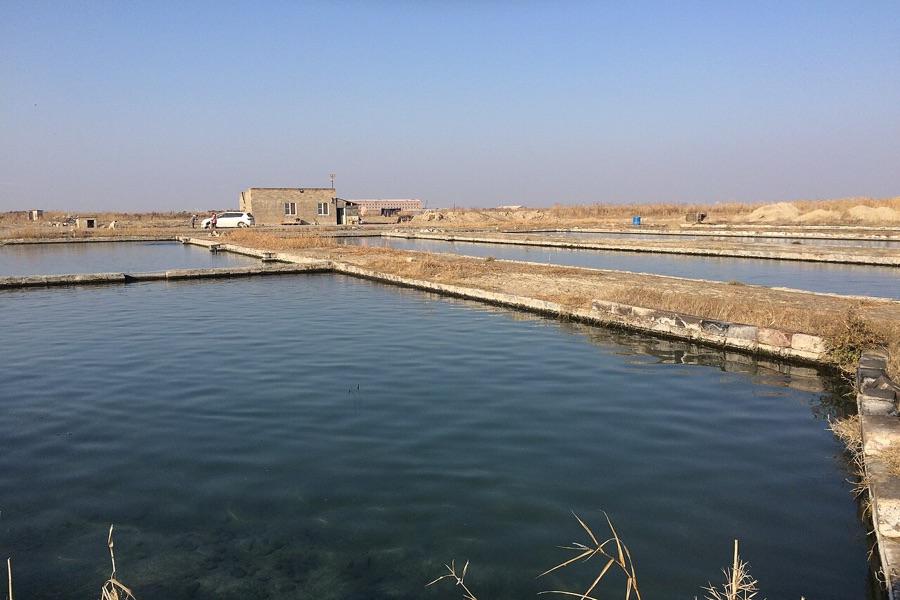
What Causes Uneven Fish Growth in a Pond?
Wide size variation complicates harvesting, causes cannibalism in predatory species, and leaves smaller fish chronically underfed.
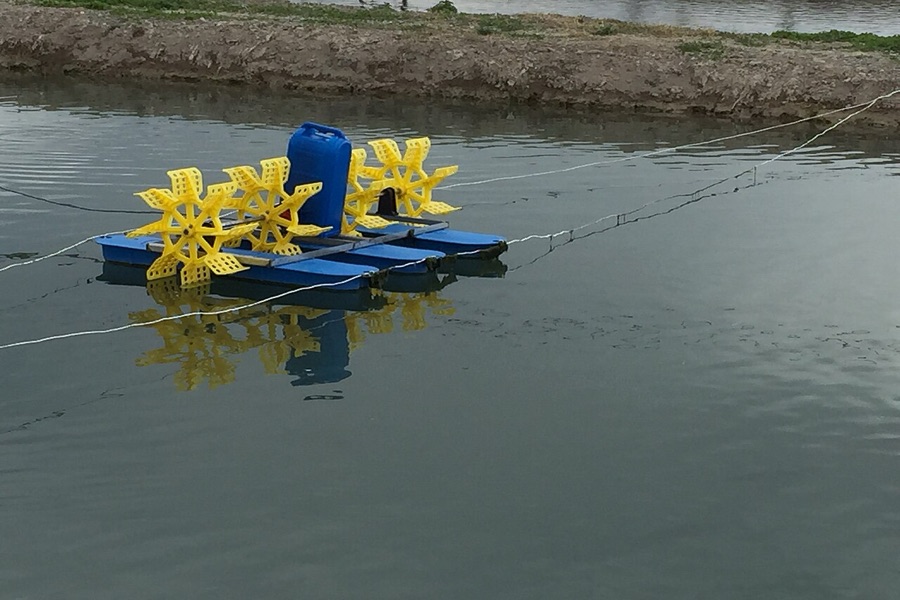
How Often Should Farmed Fish Be Fed?
Feeding frequency is never one-size-fits-all: fry and small fingerlings need frequent small meals, whereas larger grow-out fish need fewer meals timed around dissolved oxygen.
Related Troubleshooting Topics
Water Quality Problems
Check dissolved oxygen, ammonia, nitrite, pH swings, turbidity, and water temperature changes.
Fish Species & Farming
Foundational management for tilapia and catfish farming, pond preparation, and pre-stocking checks.
Fish Health & Behavior
Identify abnormal fish behavior, appetite drops, stress signs, and sudden pond mortality clues.