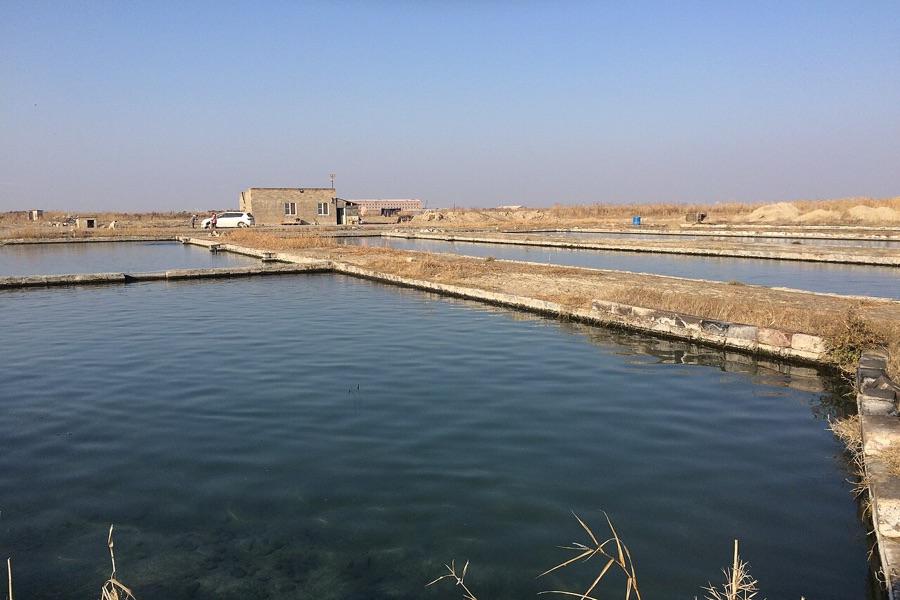
Uniform harvest size is important for market value and predictable feed management. In species like catfish, largemouth bass, or hybrid striped bass, extreme size disparity can also trigger aggression or cannibalism, while in tilapia ponds it often signals mixed-sex breeding or uneven feed distribution.
What Could Be Causing This?
- Stocking ungraded fingerlings: If the initial fingerling batch already had a wide size spread at stocking, larger fingerlings immediately out-swim and out-compete smaller ones for every meal. See what to check before stocking fish in a new pond.
- Point-source feeding in a small area: Throwing all feed from a single dock or running a single narrow feeder allows aggressive, dominant fish to guard the feeding zone.
- Underfeeding the total population: Offering a restricted ration (less than the cohort needs) intensifies competition; dominant fish still eat a full meal while subordinate fish get almost nothing.
- Uniform pellet size that ignores smaller fish: Switching the entire pond to a large grow-out pellet too early prevents lagging smaller fish from swallowing the feed.
- Sex dimorphism or uncontrolled pond spawning: In Nile tilapia, males grow noticeably faster than females, and wild spawning introduces younger cohorts into the same pond.
What Should You Check First?
- Sample fish from multiple pond areas: Do not just net fish around the main feeder (where the largest, boldest fish gather). Sample weights across the pond to see the true size distribution.
- Watch how feed is broadcast: Does the feed stay clumped in one corner or drift immediately into bank weeds where only a fraction of the fish can reach it?
- Check pellet diameter against the smallest 25% of fish: Ensure smaller individuals can physically ingest the pellets being offered.
- Review stocking records: Were multiple batches or age classes mixed into the same production unit?
How to Tell the Possible Causes Apart
- Two distinct size groups (e.g., 400g adults and 30g juveniles): Indicates either mixed-cohort stocking or in-pond reproduction.
- Continuous bell-curve spread from very small to very large within a single stocked batch: Driven by feeding competition, restricted ration, or ungraded initial fingerlings.
What to Do Next
Broadcast feed along a wide windward bank or across multiple feeding stations so all fish can feed simultaneously without crowding. Where practical in tank or intensive pond systems, grade fish by size at juvenile transfer stages so similar-sized fish are grown together. Review why farmed fish grow slowly if the entire population is lagging alongside size variation.
When to Get Professional Help
Keep in mind that grading and netting fish during hot weather or low-oxygen conditions can cause severe physical injury and post-handling bacterial infections. Consult an aquaculture extension specialist for species-appropriate grading equipment, bar spacing, and handling protocols before sorting a stocked pond.